Crete Beach Guide
Crete, the largest island in the Mediterranean, boasts a unique landscape where the Aegean and Libyan seas meet. Whether you're looking for turquoise waters or pink sands, Crete's diverse beaches cater to every taste. Here are Crete's must-see beaches:
Western Crete: Postcard Beauties
Western Crete is home to some of the island's most iconic and photogenic beaches. These beaches, concentrated in the Chania region, are often protected natural wonders.
Balos Lagoon (Balos Beach)
It's one of Crete's most famous sights. Balos is a shallow lagoon where turquoise, emerald, and blue hues intertwine. Getting to the beach is a bit of a challenge (by car, via a gravel road, then walking or by boat from Kissamos), but the scenery is well worth the effort. The waters are shallow and warm, making it ideal for families.
Elafonisi Beach
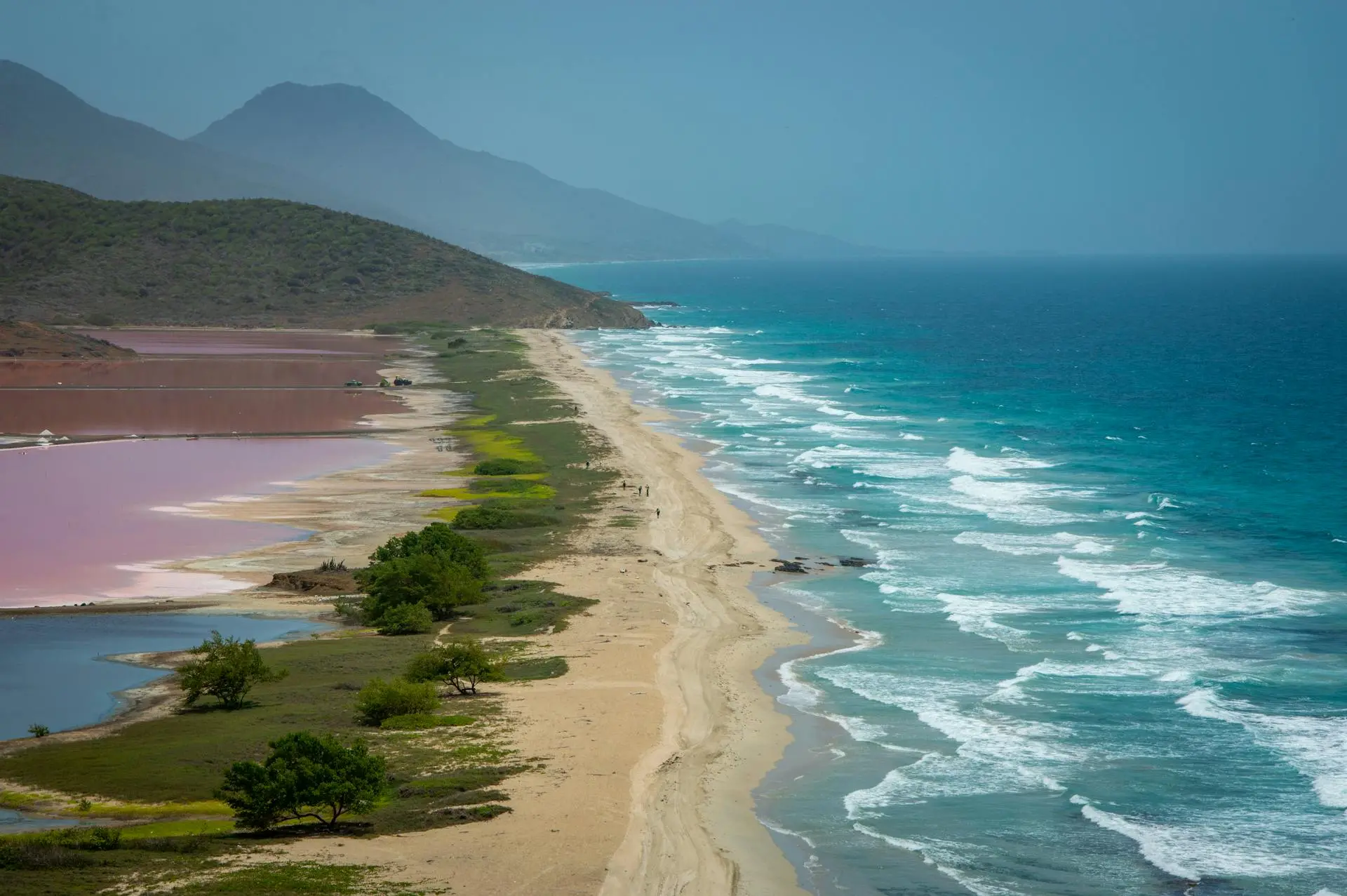
Elafonisi, famous for its pink sand, lies on the Libyan Sea. The sand's color is formed by the disintegration of seashells. The beach is a small islet connected to the mainland by a shallow waterway. The sunsets and crystal-clear waters are particularly captivating for visitors. It's also a popular spot for surfers on windy days.
Falasarna Beach
Located on the west coast, Falasarna is known for its long, wide sandy beach and stunning sunset views. While there are some organized sections, the majority of the beach is natural. The waters are very clear and hold a Blue Flag. Waves are generally higher than the Mediterranean average, giving it a dynamic atmosphere.
Southern and Central Crete: Free-spirited and Tranquil Bays
The south coast is more sheltered, less windy, and has a more mystical atmosphere than the north, and the beaches here are generally connected to smaller villages.
Preveli Beach
Preveli, also known as Palm Beach, offers one of Crete's most unique beach experiences. A lagoon formed by a river flowing into the sea from the Kourtaliotiko Gorge, surrounded by a dense natural palm forest, creates a tropical atmosphere. The beach can be reached by climbing or by boat from Plakias. It's the meeting point of sea and freshwater.
Matala Beach
Home to mythological tales and the hippie culture of the 1960s, Matala has a unique atmosphere. The sandstone cliffs just behind the beach are dotted with caves carved from the Roman period. It's a long, sandy, and pebble beach that still retains its free spirit today.
Agios Pavlos (Saint Paul)
It's ideal for those seeking tranquility. The massive sand dunes and crystal-clear waters of Agios Pavlos, particularly on the west side, are striking. The area boasts coves perfect for diving and snorkeling. While access is a bit challenging, the tranquility it offers is unparalleled.
Eastern Crete: Rare Palm Forest
Eastern Crete is one of the more authentic parts of the island, least affected by tourism, and has its own unique natural wonders.
Vai Beach
Home to Europe's largest natural palm forest, Vai is the jewel of Eastern Crete with its exotic beauty. The beach is fine, sandy, and organized. Vai is worth a visit not only for its sea but also for the protected palm trees that line its back.
These beaches across Crete promise visitors an unforgettable Mediterranean experience. Don't forget to pack plenty of sunscreen and a thirst for exploration!